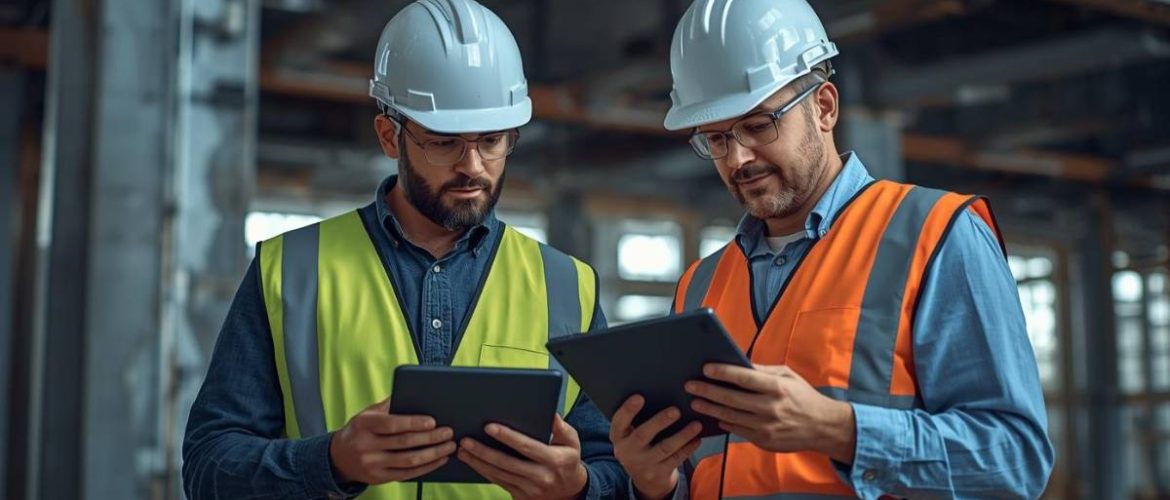
Moving from the site to the digital classroom
For years, the path to becoming a site manager in the UK involved a very specific ritual. You would clear your diary for a full week, find a training centre that wasn’t too far away, and spend five days in a windowless room drinking lukewarm tea while going through health and safety manuals. While the information was always vital, the logistics were often a headache. However, the industry has shifted significantly in recent years. The rise of the SMSTS online course has changed the landscape, making it far more accessible for busy professionals to get the qualifications they need without the traditional stress of travel and accommodation.
The Site Management Safety Training Scheme (SMSTS) remains the industry standard for anyone looking to manage a construction site safely and efficiently. It is a rigorous programme designed by CITB to ensure that those in charge of a site understand their legal, moral, and social responsibilities. The transition to an online format hasn’t diluted the quality; in fact, many find that the interactive nature of modern digital platforms makes the learning experience even more engaging than the old-school classroom setup.
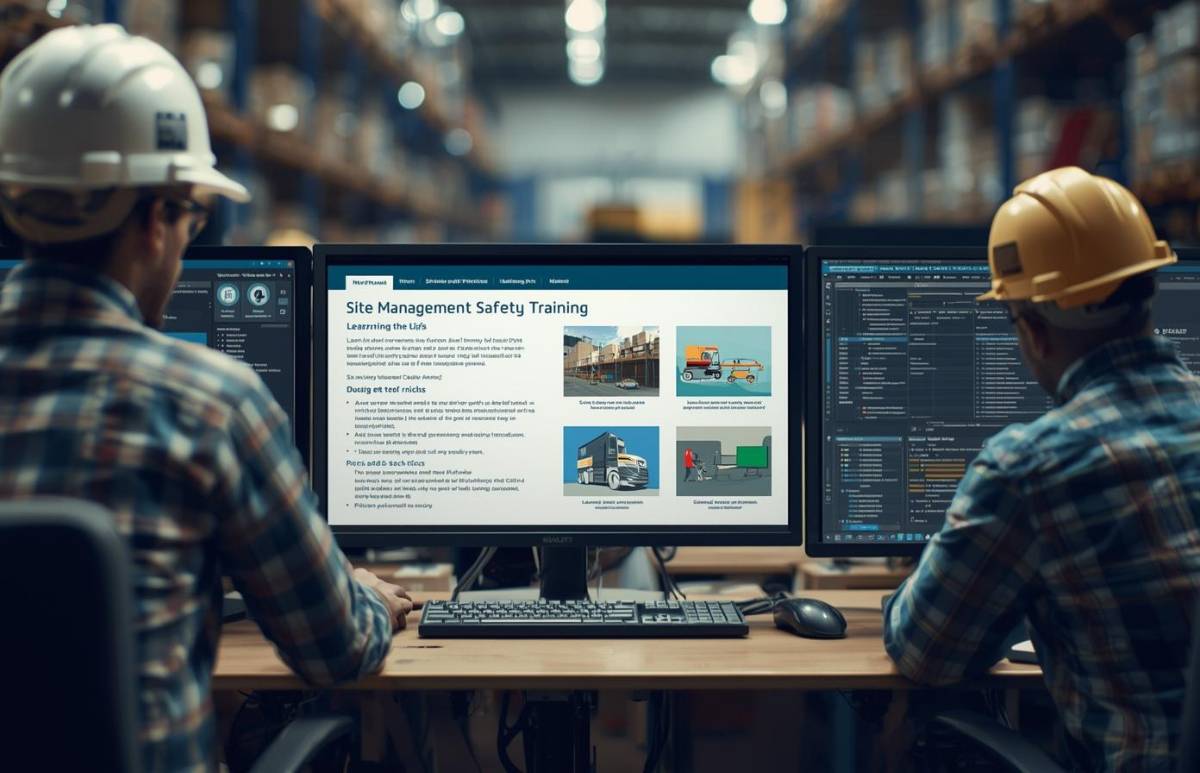
What you can expect from the remote learning experience
When people first hear about an SMSTS online course, they sometimes worry it might just be a series of pre-recorded videos that they have to click through in their own time. That is not how it works. These courses are delivered live by experienced tutors via platforms like Zoom or Microsoft Teams. It is a synchronous learning environment, meaning you are there in real-time with the instructor and other students from across the country.
The structure typically mirrors the traditional five-day block or can be spread out over one day a week for five weeks. This flexibility is a game-changer for those who cannot afford to be away from their project for a full week. You get the same level of interaction, the same group exercises, and the same opportunities to ask questions as you would in a physical building. The only difference is that you are sitting in your home office or at your kitchen table.
The core modules you will cover
The curriculum is comprehensive and designed to cover every aspect of site safety. Because the construction industry is highly regulated, the course content is strictly monitored to ensure it meets current legislation. During your time on the course, you will dive deep into several key areas:
- The Health and Safety at Work Act and other relevant legislation.
- How to conduct thorough risk assessments and create robust method statements.
- Managing site setup and the organisation of the workplace.
- Understanding the dangers of working at height, including scaffolding and ladders.
- Managing electricity on-site and ensuring safe demolition practices.
- Recognising the importance of occupational health, such as noise, vibration, and respiratory risks.
Technical requirements for a smooth experience
To successfully complete an SMSTS online course, you don’t need to be a computer expert, but you do need a basic setup to ensure you can participate fully. Since the course involves live interaction and a final exam, there are a few non-negotiables. Most providers will require you to have a laptop or desktop computer rather than a tablet or phone, as you will need to view detailed documents and participate in screen-sharing exercises.
A stable internet connection is perhaps the most important factor. You will also need a working webcam and microphone. This isn’t just for chatting; it’s a requirement for the CITB invigilation process. The tutor needs to see that you are present and engaged, and they must verify your identity at the start of the course. It is also worth ensuring you have a quiet space where you won’t be interrupted, as the intensity of the five-day programme requires your full concentration.
Why the online route is becoming the preferred choice
It isn’t just about convenience; there are several practical reasons why site managers are opting for the digital route. When you factor in the cost of petrol, parking, and potential overnight stays, the traditional classroom model becomes significantly more expensive. By choosing a remote option, you eliminate those extra costs immediately.
Furthermore, the digital format allows for a more diverse range of perspectives. In a physical classroom, you are usually surrounded by people from your local area. In an online setting, you might be in a breakout room with a manager from a major infrastructure project in London and a residential developer from the Scottish Highlands. Sharing experiences with a wider variety of professionals often provides a broader understanding of how safety standards are applied across different sectors of the industry.

Preparing for the final assessment
The end of the course involves a formal assessment to prove you have absorbed the material. Many students feel a bit of nerves about the exam, especially when taking it remotely, but the process is very straightforward. The test consists of multiple-choice questions and a few short-answer questions that require a bit more detail. It is an ‘open book’ exam for certain sections, meaning you can refer to the CITB publications provided during the course.
The invigilation happens via your webcam. The tutor will explain the rules clearly, and you will complete the paper digitally. Once you pass, your certificate is processed by CITB and sent out, usually in a digital format first, followed by a hard copy. This certificate is valid for five years, after which you will need to take a shorter refresher course to keep your qualification current.
Boosting your career prospects
Holding an SMSTS certificate is often a mandatory requirement for many site management roles. If you are looking to move up from a supervisory position or if you are an experienced manager looking to move to a larger firm, having this ticket is essential. It demonstrates to employers that you take your responsibilities seriously and that you have the technical knowledge to keep a site running without incidents.
The transition to digital training has made it easier than ever to keep your professional development on track. Instead of waiting for a local college to have a space available, you can browse a wide range of dates and times that fit your schedule. It allows you to take control of your career progression without having to sacrifice your current work commitments or spend unnecessary time away from your family.
As the construction industry continues to embrace technology, the way we learn is evolving alongside the way we build. The move towards remote training is a reflection of a modern, efficient industry that values both safety and the wellbeing of its workforce. By choosing to study in a way that fits into your life, you are more likely to engage with the material and apply those life-saving lessons when you are back on the tools or overseeing the next big project.

James is a technology writer focused on crowd-sourced networks, data sharing, and how collaborative platforms drive innovation.